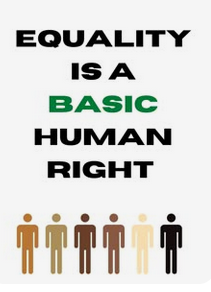
Equality and Human Rights
The Celtic people have always lived in close‑knit communities where every voice mattered. Today, however, surveys and watchdog reports show that many groups – ethnic minorities, people with disabilities, refugees, LGBTQ + people, children and Travellers – still face racism, discrimination, inadequate accommodation and unequal access to services. The following policies translate the ancient Celtic principle of céad míle fáilte (a hundred thousand welcomes) into concrete, modern‑day actions that will close the gaps identified in Ireland, Scotland and Wales.
1. National Anti‑Racism & Hate‑Crime Strategy
- Ireland: 14 % of respondents reported experiencing racism in the past year, rising to 66 % among non‑white Irish people.
- Scotland & Wales: recent watchdogs note a rise in community tension and hate‑crime incidents, especially surrounding international conflicts.
Policy response:
- Create a Celtic Anti‑Racism Agency with powers to investigate hate crimes, run mandatory cultural‑competency training for public‑service staff and fund community‑led dialogue circles in every borough.
- Introduce a hate‑crime reporting app linked to the Celtic Health Data Exchange so incidents are logged in real time and trigger rapid local responses.
- Allocate a dedicated €30 million / £25 million / £20 million (Ireland, Scotland, Wales) fund for grassroots anti‑racism projects, art programmes and multilingual legal‑aid clinics.
2. Full Implementation of the UN Convention on the Rights of the Child (UNCRC)
Scotland has already passed the UNCRC (Incorporation) Act 2024, obliging all public bodies to act compatibly with children’s rights. Yet gaps remain in school‑discipline, child‑poverty and access to mental‑health services across the three islands.
Policy response:
- Require every local authority to produce an annual Child‑Rights Impact Assessment, audited by an independent Children’s Ombudsman.
- Embed a “Children’s Rights Curriculum” in primary schools that teaches civic participation, consent and the right to a safe environment.
- Provide a £10 million / €12 million / £8 million grant pool for community‑run youth centres that deliver free tutoring, mental‑health first aid and safe‑space activities, especially in deprived urban districts.
3. Disability Inclusion & Accessible Public Services
Disabled people in Ireland report a 16 % rise in discrimination, and similar accessibility gaps persist in Scotland and Wales.
Policy response:
- Introduce a Universal Design Standard for all new public buildings, transport, digital services and housing, with compliance checks funded through a £20 million / €22 million / £15 million grant programme.
- Launch a Disability Employment Accelerator that offers wage subsidies to employers who hire disabled workers and provides workplace‑adjustment grants.
- Require all public‑sector procurement to include an Accessibility Impact Assessment, ensuring that contracts favour suppliers with proven inclusive practices.
4. Travellers & Indigenous‑Celtic Communities
Travellers continue to face segregation in housing, education and health‑care. Their historic right to roam and maintain cultural sites is often ignored.
Policy response:
- Recognise Travellers as a protected cultural minority under the Celtic Equality Act, granting them the same anti‑discrimination protections as other ethnic groups.
- Allocate £15 million / €18 million / £12 million for the construction of approved Traveller sites that meet modern health standards while preserving communal layouts and cultural spaces.
- Fund cultural‑heritage curricula in schools that teach the history and contributions of Travellers, fostering mutual respect from an early age.
5. LGBTQ + Equality & Safe Spaces
Wales has pledged to become “the most LGBTQ + friendly nation in Europe, yet reports indicate persistent bullying, discrimination in health‑care and gaps in legal protection.
Policy response:
- Enact a Celtic Gender‑Identity and Sexual‑Orientation Equality Act that adds explicit protections in employment, housing, education and health‑care.
- Create Free LGBTQ + Health Clinics in every major town, offering hormone therapy, mental‑health counselling and sexual‑health services at no cost.
- Sponsor a “Rainbow Safe‑Space” grant for community centres, libraries and sports clubs to train staff, display inclusive signage and host regular awareness events.
6. Intersectional Data Collection & Monitoring
All three nations currently lack a unified, intersection‑aware dataset that captures how race, gender, disability, sexuality, migrant status and socioeconomic background intersect to shape lived experiences.
Policy response:
- Build a Celtic Equality Dashboard (integrated with the Health Data Exchange) that aggregates anonymised data from education, health, justice and social‑care systems.
- Publish an annual “State of Equality” report for each nation, with disaggregated statistics and progress indicators tied to the policies above.
- Provide a £5 million / €6 million / £4 million research fund for universities to analyse the data and recommend targeted interventions.
7. Community‑Led Equality Councils
To ensure policies remain grounded in lived experience, each county will elect a Community Equality Council composed of representatives from ethnic minorities, disabled persons, LGBTQ + people, Travellers, asylum‑seekers, women’s groups and youth organisations.
Policy response:
- Councils will have statutory advisory powers over local budgeting for equality programmes and the ability to veto any policy that contravenes the Celtic Equality Act.
- They will receive a £2 million / €2.5 million / £1.5 million operating grant to run public consultations, produce policy briefs and monitor implementation.
- Quarterly meetings will be streamed publicly, reinforcing transparency and accountability.
8. Equality‑Focused Public‑Sector Training
All civil servants, health‑care workers, educators and police officers must understand the rights framework and unconscious‑bias dynamics that perpetuate discrimination.
Policy response:
- Mandate a 200‑hour Equality & Human‑Rights Certification for every public‑sector employee, delivered through blended online‑in‑person modules and assessed by an independent accreditation body.
- Offer career‑progression incentives (e.g., fast‑track leadership programmes) for staff who achieve “Equality Champion” status.
- Allocate a £10 million / €12 million / £8 million budget for curriculum development, translation into Gaelic, Irish and Welsh, and ongoing refresher courses.
9. Legal‑Aid Expansion & Access to Justice
Many marginalized groups cannot afford legal representation, limiting their ability to enforce rights.
Policy response:
- Double the Legal‑Aid budget for equality‑related cases in each jurisdiction, ensuring free counsel for victims of discrimination, hate crime, housing denial and wrongful dismissal.Create mobile legal‑clinic vans that travel to rural and under served areas on a weekly schedule, offering free advice on civil rights, immigration, disability benefits and family law.
- Introduce a “Right‑to‑Justice” digital portal that guides users through filing complaints, locating support organisations and tracking case progress.
10. Cultural Revival & Education
Finally, we will weave the Celtic ethos of communal responsibility and respect for the “Other” into the fabric of everyday life.
- School programmes will teach the histories of the Irish Travellers, Scottish Gaels, Welsh Cymry and other minority groups, highlighting shared values of hospitality and stewardship.
- Public art commissions will celebrate diversity—murals, sculptures and storytelling festivals that honour the contributions of women, LGBTQ + people, migrants and disabled citizens.
- Annual “Celtic Equality Week” will bring together NGOs, faith groups, artists and policymakers for workshops, concerts and community dialogues, reinforcing that equality is not a policy box‑tick but a living cultural practice.
By confronting the stark statistics—rising racism in Ireland, persistent disability discrimination, inadequate asylum accommodation, and uneven LGBTQ + protections—we pledge a Celtic Equality Charter that guarantees dignity, participation and justice for every person living on the island of Ireland, in Scotland and in Wales.
The charter blends the ancient Celtic reverence for every human being with the modern tools of law, data and community empowerment, ensuring that the future we build is truly inclusive, fair and resilient.