Energy
1. Zero‑Plastic Commitment
Ban on Single‑Use Plastics – Enact legislation that prohibits the manufacture, import, sale and distribution of all single‑use plastic items (bags, cutlery, straws, packaging films).
Transition Incentives – Offer a graduated tax rebate to manufacturers that replace plastic with biodegradable alternatives (e.g., plant‑based polymers, paper, reusable metal or glass).
Extended Producer Responsibility (EPR) – Require producers to finance the collection, sorting and recycling of any plastic they place on the market, creating a clear cost signal that drives redesign toward zero‑plastic packaging.
Public Awareness Campaign – Launch a “Celtic Plastic‑Free Future” media drive, modeled on Denmark’s successful anti‑plastic messaging, to shift consumer habits and build social acceptance.
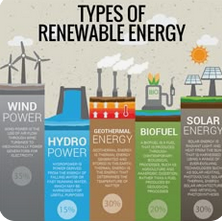
2. Renewable Power Generation
a) Hydropower & Tidal Energy
- River & Stream Micro‑Hydro – Deploy small‑scale, run‑of‑river turbines on suitable waterways across the four nations. These systems have minimal ecological impact and can power remote villages.
- Coastal Tidal Arrays – Follow the example of the United Kingdom’s MeyGen project in Scotland and the French Rance Tidal Power Station. Install modular tidal turbines in high‑flow estuaries (e.g., the Irish Sea, the Clyde, the Severn).
b) Wind Power
- On‑shore Community Wind Farms – Replicate Germany’s “Energiegenossenschaften” model, allowing local cooperatives to own and operate wind turbines. Profits are reinvested in community projects, increasing public buy‑in.
- Off‑shore Wind Clusters – Build large‑scale offshore wind farms in the Irish Sea and the North Atlantic, leveraging the deep‑water expertise already demonstrated by the UK’s Hornsea projects.
c) Solar & Agrivoltaics
- Rooftop Solar Mandate – Require new residential and commercial constructions to install solar PV panels, with subsidies covering up to 40 % of installation costs.
- Agrivoltaic Systems – Combine grazing land with elevated solar arrays, a practice successfully piloted in France and Spain, to generate electricity while preserving pasture for livestock.
d) Atmospheric Water & Air‑Based Energy
- Water‑Harvesting Networks – Install atmospheric water generators in arid inland zones (e.g., parts of Northern Ireland) to capture humidity and feed micro‑hydro turbines, mirroring Israel’s large‑scale fog‑collection projects.
- Air‑Source Heat Pumps – Replace fossil‑fuel heating with high‑efficiency air‑source heat pumps, as widely adopted in Sweden, cutting residential emissions by up to 70 %.
3. Circular Bio‑Fuel from Manure & Organic Waste
Manure‑to‑Biogas Plants – Construct anaerobic digestion facilities near intensive livestock farms (especially in rural Wales and the Republic of Ireland). Capture methane for electricity generation and upgrade a portion to biomethane for injection into the natural gas grid, following Germany’s “Biomethan‑Projekt”.
Organic‑Waste Feedstock – Collect food‑service waste, agricultural residues and forestry by‑products to feed the same digesters, ensuring that “nothing goes to waste.”
Carbon Credits for Farmers – Issue tradable carbon credits to farms that divert manure from open lagoons to biogas plants, incentivising participation and providing an additional revenue stream.
4. Comprehensive Recycling & Waste Management
Nation‑Wide Deposit‑Return Scheme (DRS) – Emulate Norway’s highly effective DRS for beverage containers, expanding it to include all recyclable packaging (plastic, glass, aluminum, paper).
Standardised Sorting Infrastructure – Deploy colour‑coded, sensor‑enabled recycling bins in every public space, mirroring Finland’s “Zero Waste” street‑level system.
Extended Producer Responsibility for Electronics – Require manufacturers to set up free take‑back points for end‑of‑life devices, similar to the EU’s WEEE directive, and fund safe recycling streams.
Zero‑Landfill Goal – Target a 100 % landfill‑free waste system by 2035, using Denmark’s “circular economy” roadmap as a template.
5. Benchmarking Success Stories
Norway
Nationwide deposit‑return system, electric‑vehicle incentives
> 95 % recycling rate for beverage containers; EVs > 80 % of new car sales
Germany
Energiewende (renewables + phase‑out of nuclear), biogas from manure
Renewables > 50 % of electricity mix; > 3 GW biogas capacity
Denmark
Community wind cooperatives, circular waste policies
Wind supplies ~ 50 % of national electricity; < 5 % landfill waste
Sweden
Carbon tax, extensive heat‑pump rollout
CO₂ emissions per capita among lowest in EU; > 60 % homes heated by renewables
Scotland
Large offshore wind farms, tidal pilot projects
10 GW offshore wind target by 2030; world‑leading tidal tech expertise
These examples illustrate that a mix of regulatory mandates, financial incentives, community ownership models and strong public communication can deliver rapid decarbonisation while preserving jobs and fostering new industries.
6. Implementation Roadmap (Five‑Year Phases)
Year 1–2 – Legislative Foundations
- Pass the Zero‑Plastic Act and the Renewable Energy Targets Bill.
- Establish the Celtic Circular Economy Agency to coordinate EPR, DRS and bio‑fuel licensing.
Year 2–3 – Infrastructure Kick‑Start
- Commission the first wave of micro‑hydro sites and tidal test arrays.
- Roll out rooftop‑solar subsidy program and begin construction of two community wind farms.
Year 3–4 – Scaling Up
- Build regional anaerobic digestion complexes serving livestock districts.
- Expand the deposit‑return network to cover all beverage containers and introduce a universal recycling bin standard.
Year 4–5 – Full Integration
- Connect biogas‑derived biomethane to the national gas grid.
- Achieve 30 % renewable electricity share, 50 % of households heated by heat pumps, and a 70 % recycling rate for all waste streams.
By marrying ancient Celtic resilience with the most advanced circular‑economy practices today, the united Celtic nation can become a global showcase for sustainable living. A decisive ban on plastics, a diversified portfolio of water, wind, tidal and solar power, and a zero‑waste bio‑fuel system will not only protect the climate but also generate high‑quality jobs, stimulate rural economies and secure energy independence for generations to come.